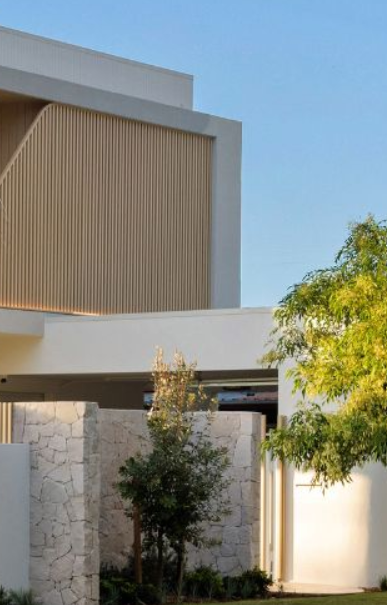
Australia’s coastline is experiencing an unprecedented wave of new development. From luxury apartments to digitally connected communities, coastal regions are rapidly becoming hubs for so-called “smart” living.
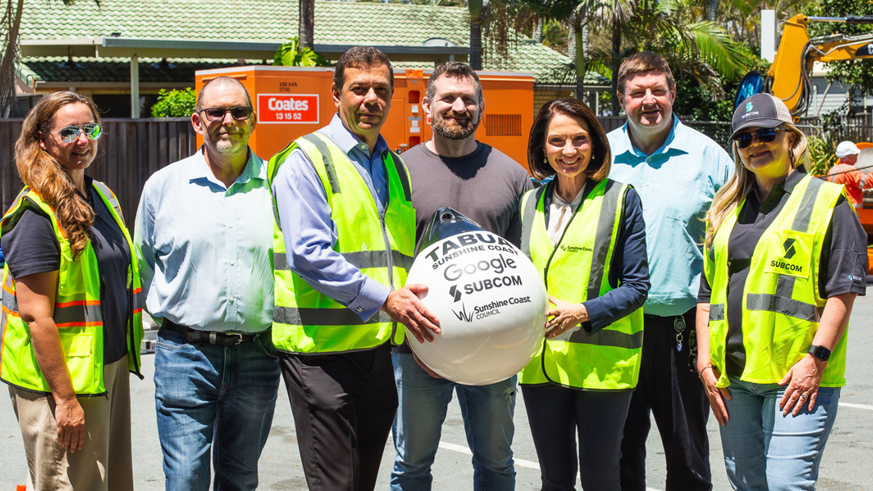
Driven by expanding digital infrastructure, including submarine data cables and the data centres that support them, developers are racing to deliver future-focused homes designed around connectivity, convenience, and technology.
On the surface, these developments appear impressive. Smart climate systems, integrated technology, automated controls, and modern architectural designs are increasingly marketed as the future of residential living.
However, beneath the marketing lies a growing concern that receives far less attention: building quality, moisture management, mould risk, and the long-term health implications for occupants. As a Building Biologist, I am now being called into newly built coastal properties on a weekly basis to investigate moisture issues, hidden mould growth, water damage, and occupant health complaints. Many of these homes are less than 12 months old, some not even completed.
Why Coastal Development Is Accelerating
Several factors are contributing to the rapid expansion of coastal developments across Australia:
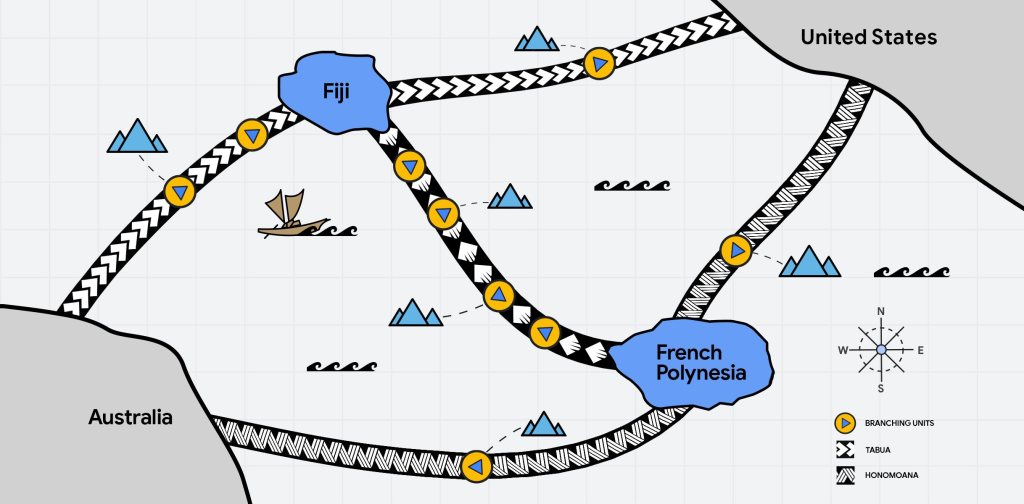
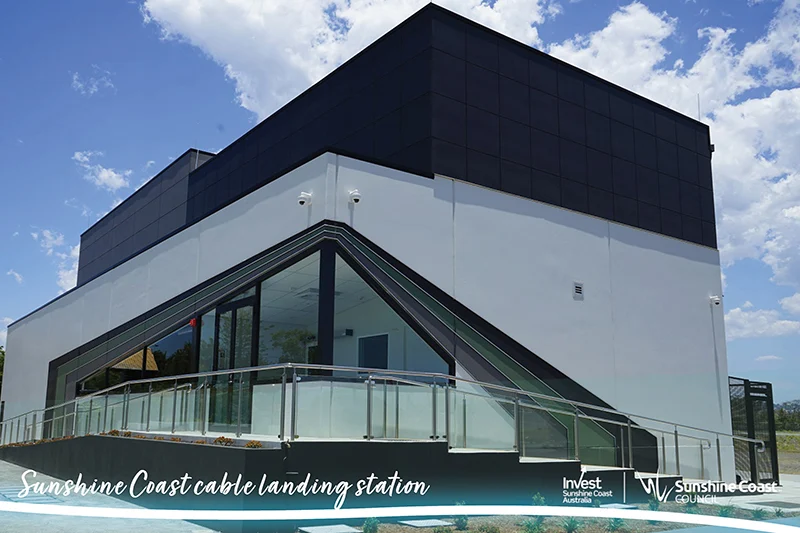
- Proximity to submarine cable landing stations – these are essential infrastructure that make digital government technically possible across borders
- Expansion of hyperscale and edge data centres
- Increased demand for digitally connected residential communities
- Investor interest in high-growth coastal regions
These projects are no longer theoretical. Significant infrastructure investment is already occurring across New South Wales and other coastal areas.
As building biologists, however, we must ask an important question:
Are we prioritising technology while overlooking the fundamentals of healthy building design?
The Construction Quality Problem
In the rush to capitalise on demand, many developments are being delivered at speed. From an inspection and remediation perspective, I am seeing several recurring issues emerge:
- Inadequate waterproofing systems in bathrooms, balconies, and wet areas
- Poor flashing and detailing around windows and building penetrations
- Insufficient drying times during construction
- Building design issues making stormwater management impossible (i.e flat roof)
- Use of moisture-sensitive materials without appropriate environmental controls
- Inadequate ventilation strategies for coastal climates
- Lack of building knowledge and poor workmanship (cheap trades with lack of experience. This also affects our experienced and honest tradespeople)
These are not cosmetic issues.
They are systemic building defects that can contribute directly to concealed moisture accumulation and microbial growth within the structure.
Why Coastal Homes Are More Vulnerable to Mould
Coastal environments naturally experience elevated humidity and increased exposure to moisture.
When poor construction practices are combined with these environmental conditions, the outcome is often predictable:
- Hidden mould growth within wall cavities and ceiling spaces
- Elevated indoor humidity
- Deterioration of plasterboard, insulation, timber, and other building materials
- Increased complaints relating to indoor air quality
- Respiratory symptoms and other health concerns among occupants
From a building biology perspective, a home cannot be considered “smart” if its building envelope is failing to manage moisture effectively.
The Disconnect Between Technology and Building Science
One of the most concerning trends is the growing disconnect between technological innovation and basic building science principles.
Developers often promote features such as:
- Automated climate control systems
- Smart sensors and integrated home technology
- High-speed connectivity
- Energy-efficient appliances
Yet fundamental building performance considerations are frequently overlooked, including:
- Vapour management
- Dew point control
- Thermal bridge mitigation
- Effective moisture barriers
- Drainage plane design
- Ventilation systems suitable for coastal conditions
- Durable material selection for high-humidity environments
Technology cannot compensate for water intrusion.
A smart home system cannot prevent mould growth if moisture is entering the building structure. Likewise, automated climate controls cannot correct underlying building defects.
There is also increasing discussion surrounding occupant exposure to electromagnetic fields (EMFs) in highly connected environments, adding another layer to the healthy building conversation.
Investor Pressure and Speed-to-Market Risks
Financial incentives often contribute to compromised building outcomes.
In high-demand coastal markets, developers may face pressure to:
- Reduce construction timelines
- Minimise costs on non-visible building components
- Prioritise aesthetics and technology over durability
- Meet investor expectations and project deadlines
Unfortunately, the areas where shortcuts are taken are often hidden from view.
Waterproofing systems, moisture barriers, flashing details, and ventilation design rarely feature in marketing brochures, yet these elements are critical to a building’s long-term performance.
By the time defects become visible, warranties may have expired and the financial burden often falls to the homeowner.
The Real Cost to Homeowners
For the clients I am seeing, the consequences can be significant:
- Costly mould remediation and building repairs
- Reduced property value
- Ongoing indoor air quality concerns leading to health effects (this is how most of my clients know there is an issue – because their health and the health of their family declines)
- Difficulty identifying and proving building defects
- A lot of stress and confusion – which can end up breaking up relationships.
Many clients first become aware of a problem because their health begins to decline.
In numerous cases, there are no visible signs of mould or water damage. Hidden moisture issues can remain undetected for years while occupants continue to be exposed.
This is why due diligence is no longer optional.
Buyers must look beyond attractive finishes, smart-home features, and marketing buzzwords to assess the actual quality and performance of the building.
A Common Scenario
Recently, I assessed a newly constructed coastal apartment featuring high-end finishes and advanced climate control systems.
Within just 12- 24 months:
- Occupants reported persistent window condensation
- Musty odours began developing throughout the apartment
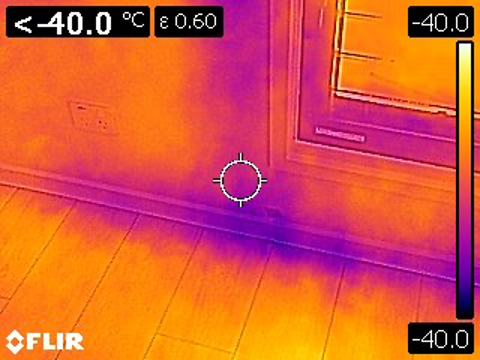
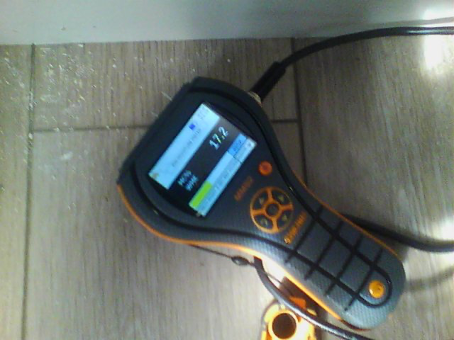
- Thermal imaging identified moisture behind internal walls
- Further investigation revealed failed balcony waterproofing and inadequate ventilation
Despite being marketed as a future-ready home, the building was already showing signs of premature failure.
Unfortunately, this scenario is increasingly common.
Protecting Occupants and Buildings
To address this issue, I recommend focusing on a return to fundamentals:
- Independent building inspections during construction, not just at completion
- Greater enforcement of waterproofing and moisture management standards
- Integration of building biology principles into design and certification
- Education of buyers about the risks of rapid-build developments
Technology should not distract buildings from their structural and environmental integrity, and they should definitey not be making you sick. Many of these homes have no visibe mould or water damage so even if you can’t see anything, you may still be exposed.
Need an Independent Assessment?
Get in touch for a professional water damaged building inspection, moisture assessment, or mould remediation consultation. I will remove the chaos and confusion and help you understand what’s really happening and give you an independent, evidence-based report you can act on.